

A Marketing agency for original equipment manufacturers
Challenge: Industrial and OEM brands often face a similar challenge: their products, services and differentiators are highly technical, but their audiences still need an experience that is clear, compelling and easy to navigate.
That is where experiential design becomes a strategic marketing advantage.
For complex industrial brands, physical environments can make technical value easier to see, understand and remember. A trade show booth can become more than a product display. A mobile trailer can become more than a training tool. A corporate office can become more than a workplace. Each space can become an extension of the brand strategy, helping audiences connect capability to value.
Okuma America — a world leader in CNC machine tools, controls and automation systems — and PIP Global Safety — a leading provider of personal protective equipment — each had opportunities to bring their brands to life in more tangible ways. While the environments were different, the strategic challenge was the same: create branded experiences that could attract attention, support deeper engagement, and reinforce a consistent story across customer and employee touchpoints. Because the strongest brands do not simply tell people what they stand for. They help people experience it.
Solution: Crafted approached each environment as a strategic brand touchpoint, connecting storytelling, spatial design, customer journey thinking and sales enablement into one cohesive experience. The goal was not simply to make spaces look branded. It was to make them work harder — for awareness, education, engagement and relationship-building.
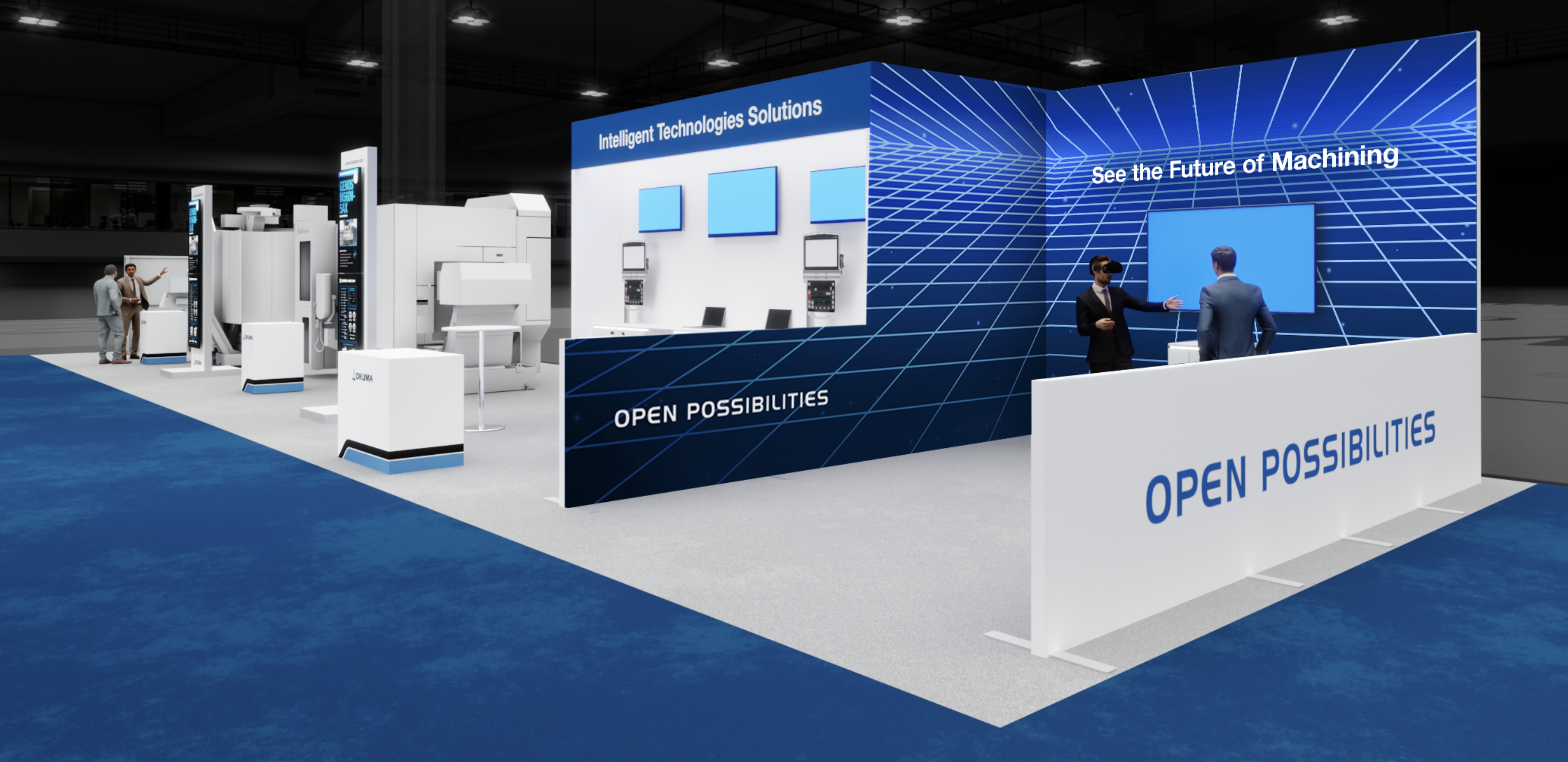
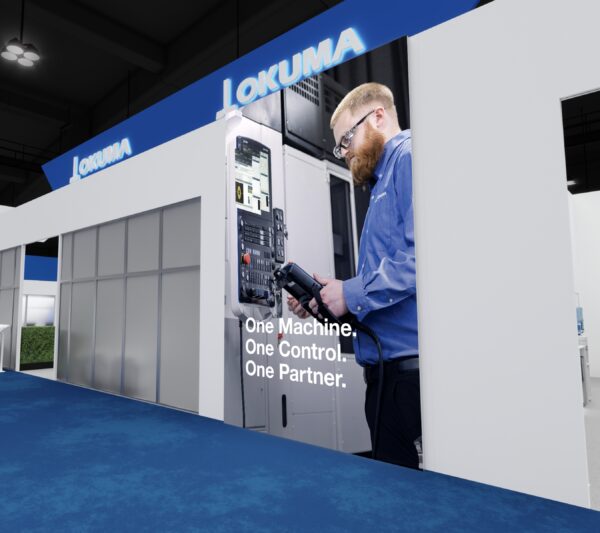
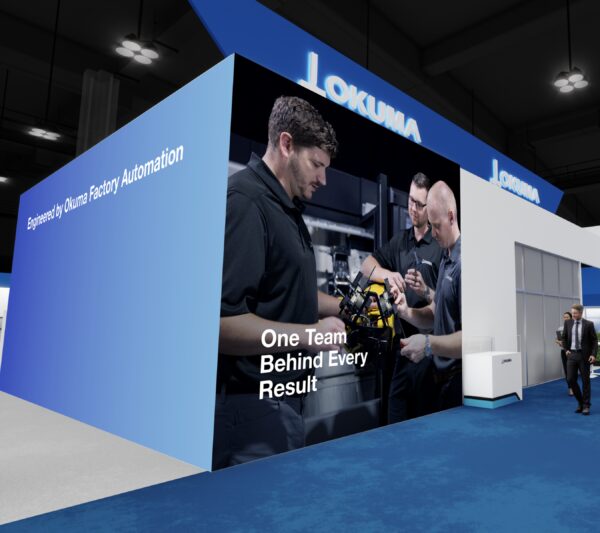
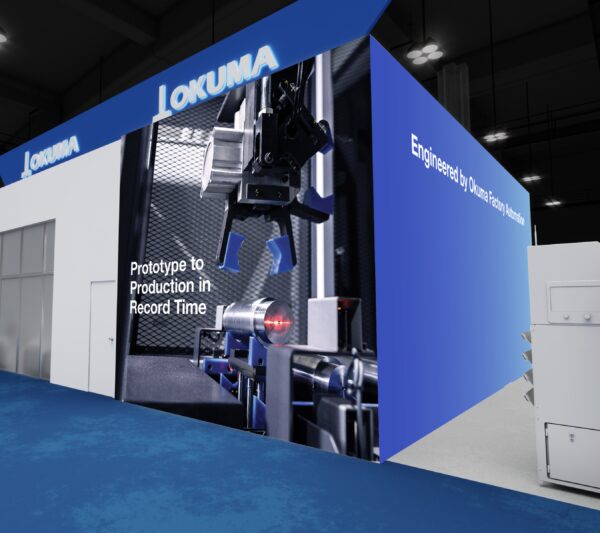
Attraction: Okuma IMTS Trade Show Experience. At a major manufacturing technology event like IMTS, every square foot competes for attention. For Okuma America, Crafted helped transform the trade show booth into a high-visibility brand experience designed to attract the right audiences and support more meaningful conversations.
The environment was planned around visitor flow, brand presence, product storytelling and sales team usability. Instead of presenting machines as standalone displays, the space helped prospects understand Okuma’s broader value and envision what partnership could mean for their own operations.
The booth became a strategic event environment: one built to create impact in a competitive setting, reinforce category leadership and give the sales team a stronger platform for engagement.
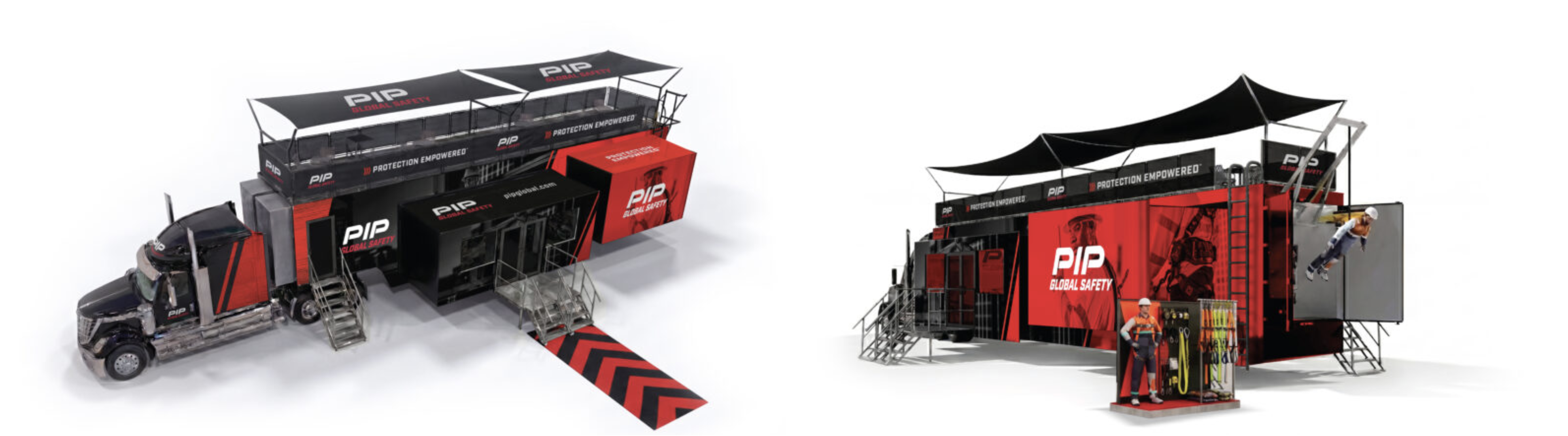
Engagement: PIP Mobile Training Trailer. PIP Global Safety needed a way to bring product education and brand experience directly to customers, distributors, employees and field teams. Crafted helped turn a mobile training trailer into an immersive environment that could travel to the audience.
Equal parts classroom, demonstration space and branded showroom, the trailer replaced static presentations with hands-on learning. Visitors could interact with products, explore solutions and better understand the value behind PIP’s offering in a setting designed for participation.
This mobile experience supported more than education. It gave sales and training teams a scalable tool for creating consistent, memorable product conversations across markets and locations.
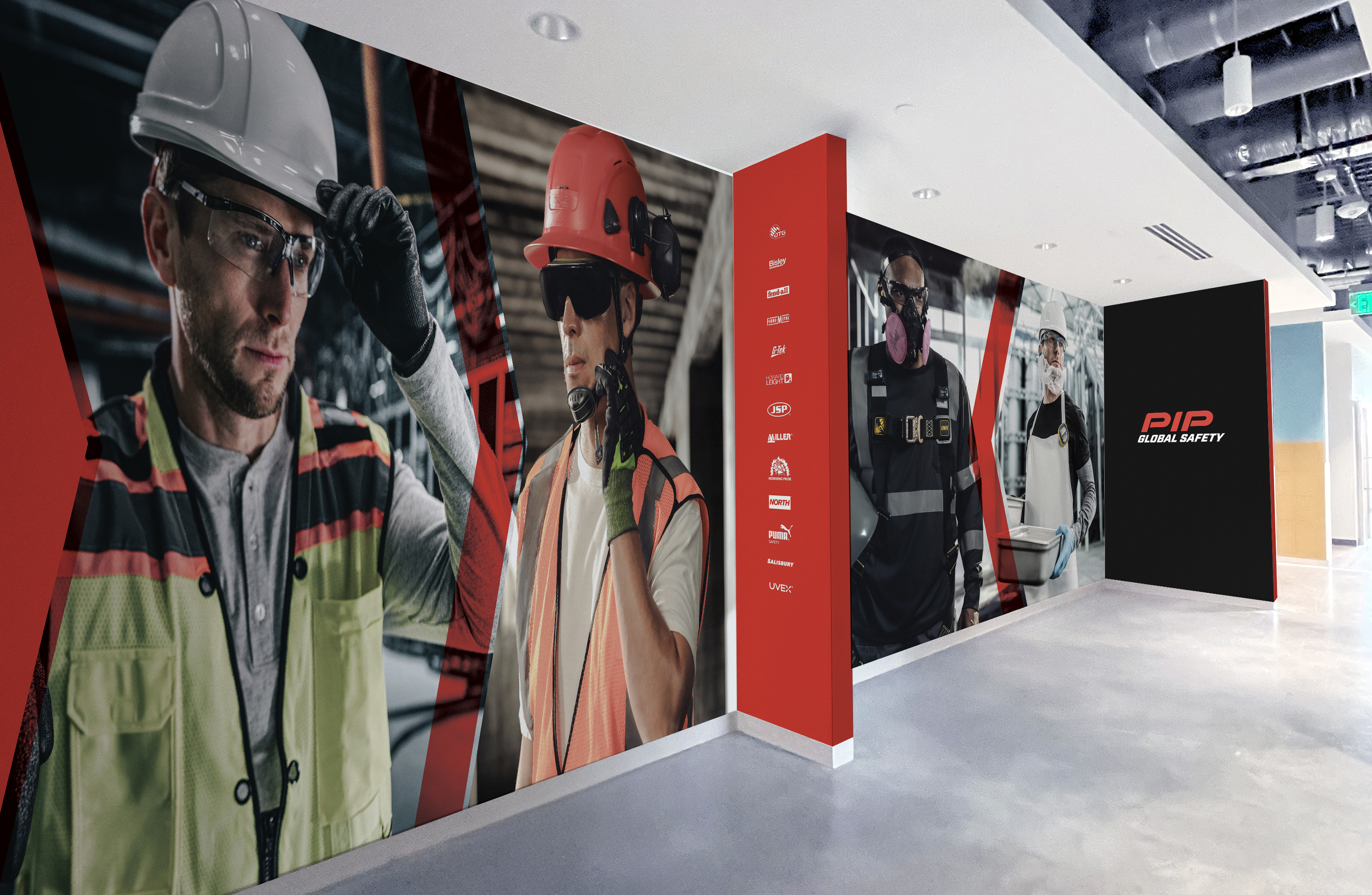
Immersion: PIP Global Safety Corporate Office Experience. Experiential design is not limited to external marketing. Strong brands are built from the inside out, and the workplace is one of the most important places a brand can be experienced.
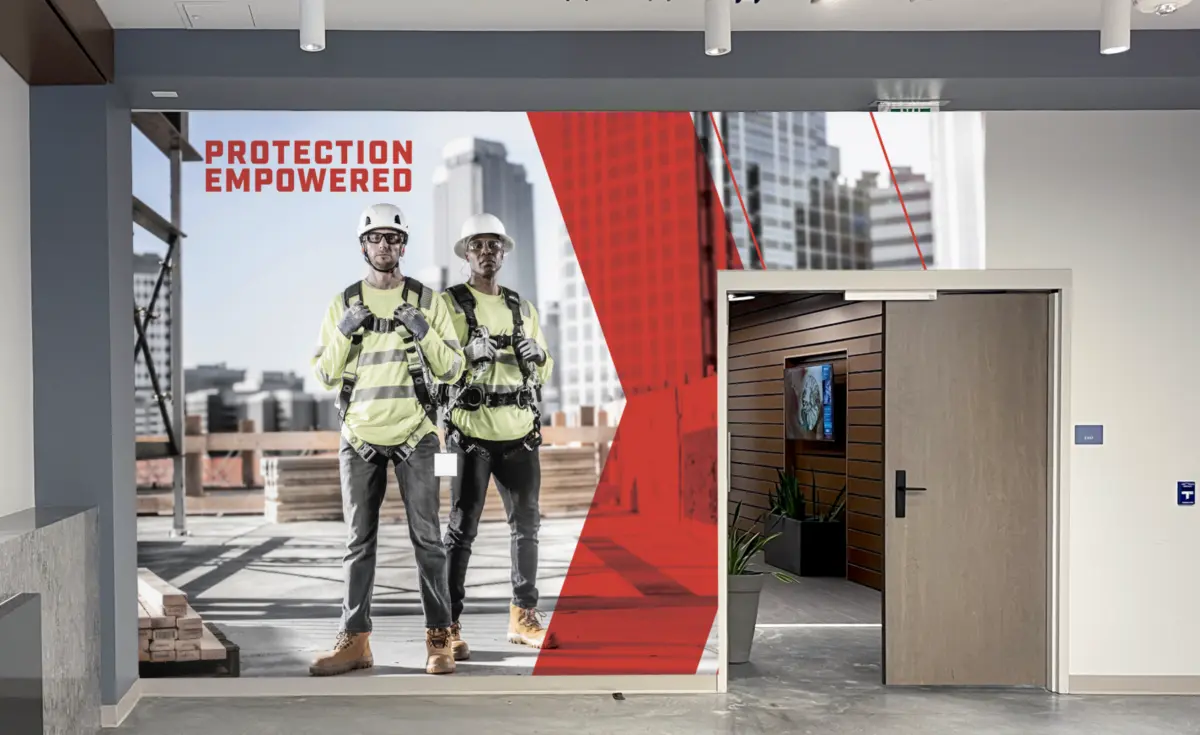
Crafted helped PIP extend its brand identity and culture into its corporate office environment. Through environmental graphics, branded spaces and thoughtful design elements, the office became a more meaningful expression of who PIP is and what it stands for.
For employees, customers, partners and visitors, the space created a stronger first impression and a more consistent brand experience. It connected internal culture with external perception, reinforcing the idea that every physical environment has the potential to tell the brand story.
Impact: Across these projects, Crafted helped turn physical spaces into strategic marketing assets.
Each environment served a different purpose, but together they demonstrated how experiential design can support awareness, education, sales enablement and brand consistency across the full customer journey.
The work helped:
That is the power of experiential branding. It transforms technical complexity into something tangible, memorable and actionable — helping brands move from explanation to understanding, from awareness to engagement, and from physical spaces to lasting business value.